



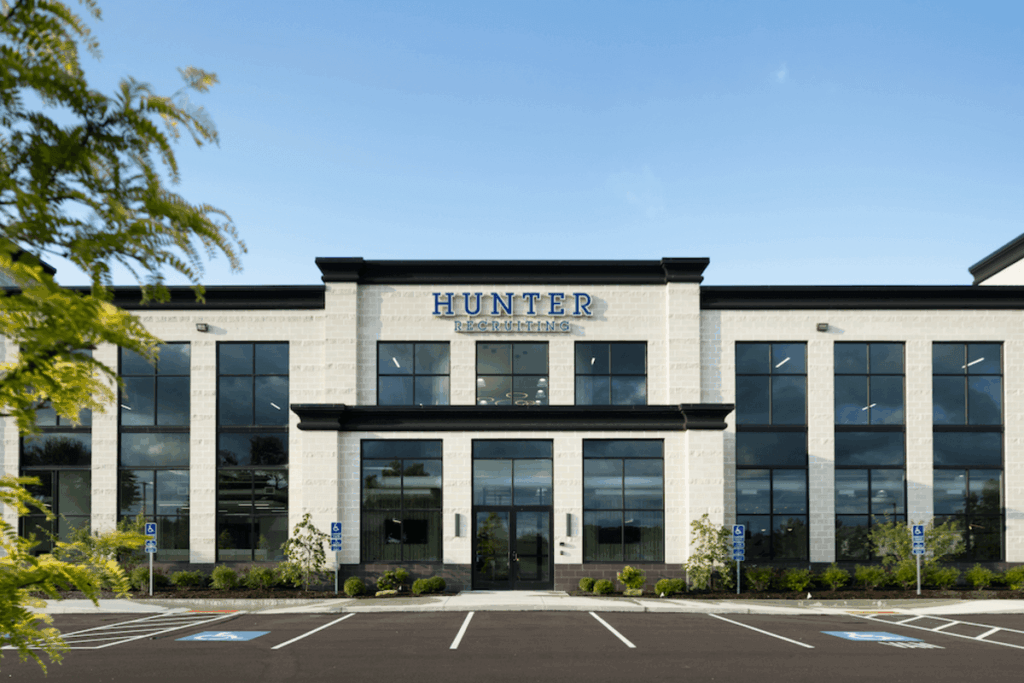


How Direct Hire Staffing Can Save Time and Money for Employers

Hiring is expensive. It’s also time-consuming.
Most HR teams know this all too well. You need to post a job opening before you handle hundreds of applications, phone calls, and in-person meetings to find the right candidate who will disappear on you. Your organization has an open position that remains unfilled for multiple weeks or even months.
The typical recruitment expense in the United States is $4,700, yet organizations must also account for decreased team performance, employee exhaustion, and hasty selection processes that result in unqualified candidates. Direct hire staffing operates through a distinct method. The system optimizes recruitment processes while decreasing expenses to help you find suitable candidates more effectively.
Here’s how it works and why it matters for your bottom line.
What Direct Hire Staffing Actually Is
Direct hire staffing involves working with a recruiting agency to fill permanent positions. The agency performs three primary functions, which include candidate sourcing and screening, and candidate presentation to clients. You interview the finalists and make the hire. It’s straightforward.
The main difference between temp-to-hire and contract staffing is that direct hire programs aim to create permanent employment relationships. The candidates aren’t employed by the agency first. They join your team as full-time employees from day one.
The model achieves its best results when organizations search for candidates to fill their most difficult positions. The job market requires candidates to apply for positions that require specialized technical skills, leadership roles, and specific industry expertise, because these roles face both high competition and limited available talent.
Time Savings Start Immediately
Time-to-hire can make or break your hiring strategy.
The lack of important positions leads to project delays, hindering progress. Teams get stretched thin. Good candidates accept offers elsewhere. The typical hiring process takes between 36 and 42 days, yet certain job openings need longer recruitment times.
The direct hire staffing process reduces the overall recruitment timeline. Agencies maintain large candidate databases; Hunter Recruiting has access to over 1.2 million professionals. They also have established networks in specific industries. The team starts at a higher level because they bring the necessary knowledge about chemical engineering and compliance management to the project.
Recruiters actively contact suitable candidates rather than requiring job seekers to find available positions. The job market includes many people who are available for work but do not actively seek employment until they find suitable opportunities. The system allows your organization to reach candidates who would otherwise be out of reach.
The screening process moves faster. The agencies conduct candidate screening based on the specific requirements you provided. The resume review process begins after someone verifies that the candidate meets the qualifications and experience requirements and falls within the target salary range. The system now removes the need to review applications from candidates who do not meet the basic qualifications.
Real Cost Savings Add Up
The math on staffing costs gets complicated fast.
You might think handling recruitment in-house is free. It’s not. Your HR team’s time has value. So does the time your hiring managers spend reviewing resumes and conducting interviews.
Job board postings require financial payment. Background checks require financial expenses. Multiple rounds of interviews cost money in terms of productivity loss. The longer an open position remains vacant, the more lost business opportunities and reduced operational performance result.
Direct hire agencies charge clients a fee based on a percentage of the new hire’s first-year salary. This sounds like an added expense. But compare it to the actual cost of in-house recruiting and the picture changes.
Let’s break it down. The process of candidate sourcing by HR teams requires 20 hours, followed by 15 hours of screening and 10 hours of interviewing by hiring managers, totaling 45 hours of work. The total labor expenses from your team members’ hourly rates will reach thousands of dollars.
The total expenses for in-house recruiting include job board fees, advertising costs, applicant tracking system expenses, and additional expenses for maintaining an open position. The expenses for in-house recruiting exceed agency fees when agencies charge for their services. The agencies provide placement guarantees: they will replace candidates at no extra cost if a placement fails within a specified time frame.
The Hidden Cost of Bad Hires
Bad hires are expensive. Really expensive.
The U.S. Department of Labor estimates that a bad hire can cost 30% of an employee’s first-year salary. For a $60,000 position, that’s $18,000 down the drain. Executive positions lead to financial losses that exceed six figures.
The direct expenses from bad hires create additional organizational costs that spread across the entire organization. Team morale drops. Productivity suffers. The process of training someone who will not stay with the company becomes a useless investment of time. Then you start the whole hiring process over again.
Direct hire agencies reduce this risk. Specialized recruiters possess knowledge about the specific positions they need to fill. The STEM-focused agency Hunter Recruiting conducts more than just keyword matching of resumes; it also assesses technical abilities, cultural alignment, and potential career growth.
Better candidate matching leads to higher retention rates. The Hunter Recruiting company maintains a 3:1 interview-to-hire ratio, which leads to their successful employee retention rates. The correct process of candidate evaluation and cultural fit assessment results in employees staying longer at work while delivering superior performance.
You Focus on Your Business, Not Recruiting
Recruiting is a full-time job. Many companies don’t have the resources to do it well while managing everything else.
The situation creates the most harm to small and mid-sized businesses. Your HR team currently manages all aspects of human resources, including payroll management, employee benefits and compliance, and employee relations. The organization needs to create an advanced recruitment system because it faces multiple additional challenges. Quality suffers, and so do timelines.
External support provides value to all organizations, including those with dedicated recruiting teams at large companies. Your organization needs to work with agencies when you experience large numbers of job applicants or require candidates who bring specialized skills that your current team lacks.
Your team can maintain its core competencies by using direct hire staffing methods. The human resources department can dedicate its time to employee growth and retention because it no longer needs to handle excessive resume screening. The core responsibilities of hiring managers remain unaffected because they do not need to spend time on recruiter duties.
Access to Better Talent Pools
The best candidates aren’t always looking for jobs.
About 70% of the global workforce consists of passive talent—people who are employed and not actively job seeking but would consider the right opportunity. These candidates don’t browse job boards. They don’t apply to your postings.
Recruiting agencies reach these people. They have existing relationships. The team can locate passive candidates and present job openings to them effectively. The availability of this information will have a major impact on your recruitment results.
The benefit of this approach becomes even more significant in specialized industries, including STEM fields, healthcare, and manufacturing. Talent is scarce. The market competition has reached an extremely high level. Organizations that succeed in accessing passive candidate pools achieve a major competitive advantage.
Speed Without Sacrificing Quality
Most employers face a major concern: whether faster hiring methods will produce candidates of equal or better quality.
It’s a valid worry. Rushed decisions lead to bad hires. Direct hire staffing allows organizations to work more efficiently without compromising their standards.
Agencies conduct extensive screening because their business success depends on finding suitable candidates for available positions. They conduct detailed interviews, verify credentials, check references, and assess cultural fit before presenting candidates.
Hunter Recruiting’s less-than-24-hour time-to-first-submittal doesn’t mean sending over random resumes. The company needs systems and databases, as well as industry expertise, to find qualified candidates right away. Speed is achievable through purposeful training and targeted skill development rather than accepting lower performance standards.
When Direct Hire Makes the Most Sense
Direct hire staffing works best in specific situations.
The system operates at peak performance for empty positions because they need specific qualifications to fill them. The job market requires professionals to work in engineering, IT, healthcare specialties, and executive leadership roles. These jobs take the longest to fill and have the highest costs when they sit empty.
The system achieves its best performance when organizations need to find their most suitable candidates immediately. The organization needs to fill its essential position immediately, as unexpected vacancies and rapid business growth make waiting months impossible.
Organizations that lack strong internal recruitment capabilities will obtain the most benefit. The practice of outsourcing permanent placements becomes strategic when your HR team operates with limited resources or maintains different priorities.
Making It Work for Your Organization
Selecting the appropriate staffing partner is crucial.
Not all agencies are equal. Look for ones with expertise in your industry. A generalist agency might struggle to find your next chemical engineer or data scientist. A specialized firm already knows where to look and what to look for.
Ask about their process. How do they source candidates? What screening methods does their organization use? What guarantees do they offer? How quickly can they typically fill roles similar to yours?
Check their track record. The expected results become evident through client feedback and statistics on placement success and client maintenance. Agencies with strong metrics and long-term client relationships demonstrate proven value.
The Bottom Line on Your Bottom Line
Direct hire staffing involves more than a basic candidate search to fill open positions. The decision needs strategic evaluation because it impacts your financial resources, extends project duration, and affects workforce capabilities.
Placing employees more quickly reduces time spent on unproductive activities. The process of finding suitable candidates through better matching techniques results in higher employee retention rates and lower turnover-related costs. Organizations that gain access to passive talent pools achieve superior results in markets with limited job candidate availability.
The initial cost of agency fees proves less expensive than the combined expenses of prolonged job openings, incorrect candidate selections, and complete recruitment department operational costs. When you factor in time savings and quality improvements, the ROI becomes clear.
Your Next Hire Shouldn’t Take Months
The process of finding suitable candidates should not require excessive financial investment or extended periods of time.
Hunter Recruiting focuses on direct hire placement services for STEM fields, the manufacturing and healthcare industries, and other sectors. Our platform connects employers to 1.2 million professionals who can start applying within 24 hours of a job posting. Our platform enables employers to find qualified candidates for difficult positions quickly while maintaining high recruitment standards.
Our recruiters who specialize in your industry recognize what you face. We know the markets. We have the networks. Our company provides candidates who match the requirements of each position.
Ready to save time and money on your next hire? Contact Hunter Recruiting today to discuss your hiring needs. Let’s fill your open positions with the right people—faster than you thought possible.