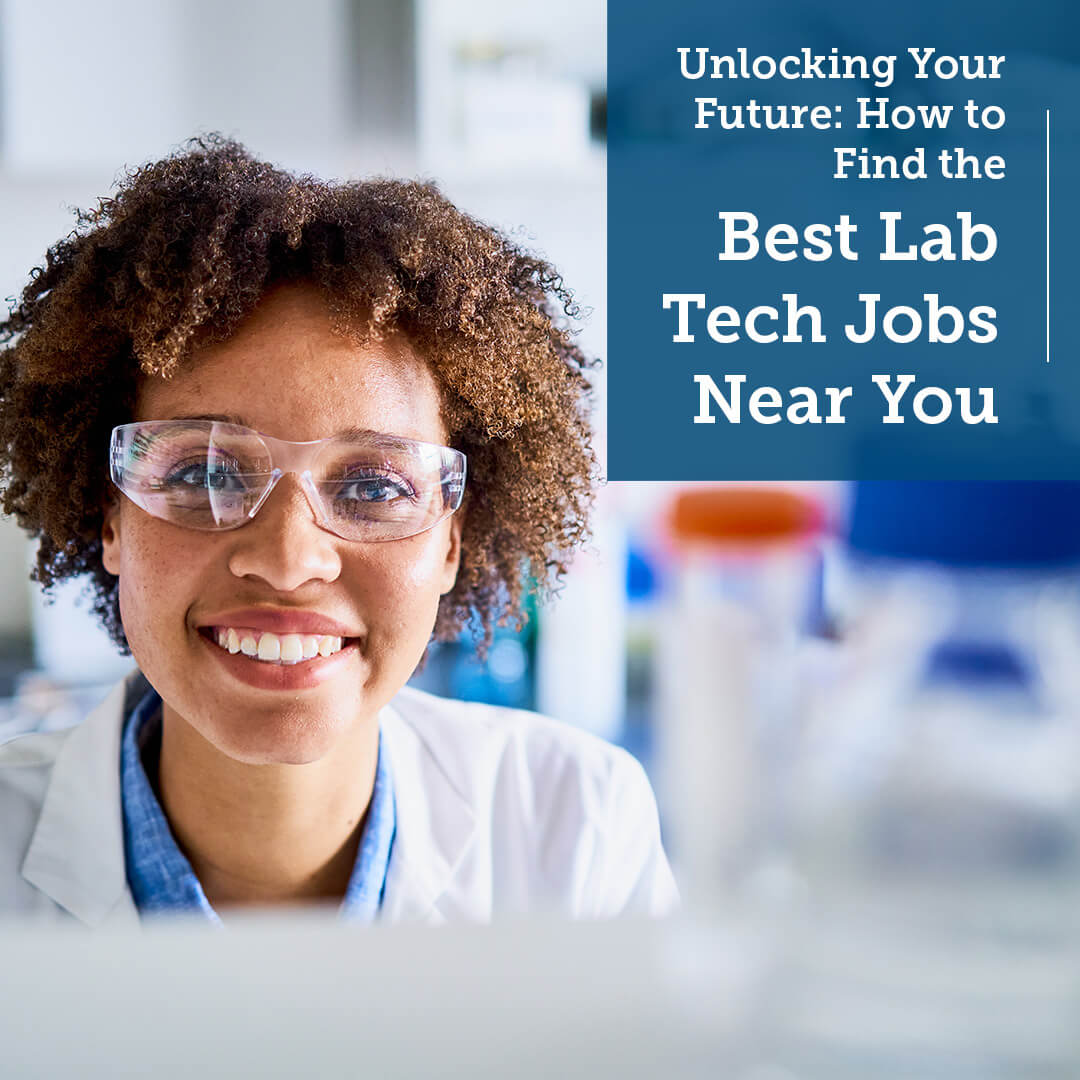






How Scientists Can Stand Out to Recruiters and Get Hired

A recent shift in the hiring landscape has made it more critical than ever for scientists to establish their unique value. Recruiters now weigh not just technical proficiency but also personal branding and clear communication skills. Data from sources such as the U.S. Bureau of Labor Statistics highlights significant growth in technical roles, underlining the fierce competition for top talent. Recognizing these trends and adapting strategies to stand out is essential for anyone hoping to claim their place in this dynamic field.
With evolving expectations in scientific recruiting, candidates must move beyond listing academic achievements and technical expertise. Instead, projecting a well-rounded persona-one that blends professional expertise with personal passion-can markedly increase appeal to recruiters. Science today is driven by collaboration, innovation, and interdisciplinary approaches, making standing out not just beneficial but necessary.
Why Standing Out Matters in Scientific Recruiting
Standing out in the recruitment process can be the key difference between a pile of resumes and the invitation to an interview. As sectors like data science see projected employment increases, such as a 33.5% jump reported for data scientist roles by the U.S. Bureau of Labor Statistics, distinguishing oneself becomes even more imperative.
Recruiters and hiring managers often manage a lengthy list of candidates with similar qualifications. Beyond technical capability, the personal presentation of achievements, communication aptitude, and even subtle signals of leadership are what can tip the scales. The market doesn’t just value scientific talent; it values the ability to apply that talent in a way that drives business success and fosters innovation.
In this context, standing out refers to demonstrating a balance of technical skills, soft skills, and strategic awareness, which collectively highlight a candidate’s potential to contribute meaningfully. The recruitment process is evolving into a holistic evaluation of the candidate’s overall professional brand.
How Scientists Can Build a Strong Personal Brand
Building a personal brand doesn’t require a complete reinvention of oneself but rather a strategic emphasis on existing strengths. A well-crafted brand communicates both expertise and potential. One effective way to develop this image is through publishing research, active participation in scientific forums, and engaging with industry-specific social media platforms.
Scientists can leverage digital tools to create portfolios that showcase project outcomes, research advancements, and collaborative initiatives. Incorporating multimedia elements like video presentations and data visualizations can further solidify a candidate’s reputation as an expert in their field. An appealing personal brand not only draws recruiter attention but also signals a commitment to ongoing learning and professional development.
For instance, professionals in emerging industries like AI and data science are encouraged to highlight their role in building cutting-edge applications. As highlighted by trends reported by BioSpace, the demand for individuals capable of integrating business applications with advanced analytics is on the rise, underscoring the value of a proactive personal brand. Such visibility can create opportunities for collaboration and high-impact projects that further solidify a candidate’s standing in their field.
Resume and CV Tips That Catch a Recruiter’s Eye
Resumes and CVs are often the first tangible evidence of a candidate’s potential. Crafting a document that is both concise and compelling requires focus and clarity. Recruiters spend just a few seconds initially scanning documents, so it is important to use strong, active language that immediately highlights relevant skills and accomplishments.
Organizing information by categorizing technical skills, leadership roles, and research outcomes ensures that each section of the document speaks to key priorities for recruiters. Including a brief summary or profile at the top of the resume that encapsulates career highlights often improves chances of engagement. Mentioning quantitative results, like the projected 33.5% increase in data scientist roles from the U.S. Bureau of Labor Statistics, can offer a relevant context when discussing industry growth and personal achievements.
Employers are drawn to resumes that communicate a blend of technical expertise and rich problem-solving experience. Listing academic publications, patents, or even significant contributions to large-scale research studies adds weight to a candidate’s profile. Additionally, a clearly organized CV helps mitigate the risk of important details being overlooked in an ever-competitive market.
Leveraging Network and Professional Communities
Networking remains a powerful tool for scientists who want to take control of their recruitment prospects. Professional communities, both online and offline, offer avenues for sharing breakthroughs, discussing industry trends, and learning about emerging opportunities before they hit a general job board. Making meaningful connections leads to new opportunities, mentoring relationships, and lasting professional collaborations.
Participation in specialized groups, such as those focused on cross-border research efforts, can provide an edge. A recent study in China found that scientists with enhanced recruitment packages performed notably better, pointing to the benefit of being well-connected and informed within one’s professional network, as detailed in a study on China’s cross-border recruitment program. This not only boosts visibility but also builds trust and credibility among peers and potential employers.
In addition, attending conferences, seminars, and webinars provides a platform to engage with industry experts and thought leaders. These events offer opportunities to discuss challenges and trends, while also providing useful feedback from professionals who have already navigated the complexities of transitioning into competitive roles. Using social platforms like LinkedIn to share insights and connect with professionals from various sectors further cements one’s position as an engaged and proactive scholar.
Common Mistakes Scientists Make When Applying
Avoiding mistakes in the application process is as important as highlighting one’s strengths. One common error is overloading the resume with academic jargon and technical details that are not immediately accessible to recruiters from non-scientific backgrounds. While depth is valued, clarity must never be sacrificed for complexity.
Another frequent pitfall involves neglecting to tailor the application to the job at hand. Generic resumes or cover letters that lack mention of specific job requirements rarely yield positive outcomes. Candidates must focus on demonstrating not only their technical competencies but also their ability to contribute to an organization’s strategic vision. This might involve showcasing flexible skill sets as seen in industries where diverse roles, from research scientist staffing solutions like those provided by Medix Staffing Solutions, support growth and innovation.
Another error is failing to update and maintain online profiles or personal websites, which have become essential components of a modern resume. Static online presence or outdated information often undermines the credibility of a candidate. Recruiters expect active participation and continuous learning as signifiers of a candidate’s commitment to their field. Taking time to refresh these digital profiles periodically can help maintain a productive professional image that resonates with industry trends.
Maintaining a Clear and Concise Communication Style
While detailing technical achievements is crucial, using language that is too complex can hinder effective communication. Instead, clarity and brevity should be prioritized. Using bullet points to summarize key accomplishments or structuring paragraphs to highlight single topics can greatly improve readability.
Scientists should aim for balance. It is important to demonstrate technical mastery without overwhelming the reader with dense detail. A clear, concise communication style not only benefits the application materials but also sets a precedent for professional interactions during interviews and collaborative projects.
This approach is especially important during initial screening rounds where the clarity of experience and relevance to the role can quickly determine whether a candidate advances. Recruiters appreciate a narrative that is easy to follow and heraldes both depth of expertise and effective communication.
Tailoring Content to Audience Expectations
Each application should be customized for the type of institution or organization being targeted. For instance, a role in academia might require a detailed account of research activities and publications, whereas a position in a commercial research lab may benefit from highlighting practical applications and team projects.
Customizing content helps ensure that the resume and cover letter speak directly to the needs of a particular organization. It shows that the candidate has done their homework and understands what is expected in that specific environment. In this competitive market, such tailored applications significantly increase the chance of standing out.
Industry-specific examples, such as the proactive hiring trends evident in Central and Eastern Europe where scientist vacancies increased by 34.5% since 2019-particularly in Poland-serve as strong reminders of why tailored narratives resonate with recruiters looking for localized insights and expertise. Industries vary, and a one-size-fits-all approach rarely results in success.
Emphasizing Collaborative Achievements
In many research roles, personal accomplishments are intertwined with team achievements. Recruiters appreciate candidates who can demonstrate successful collaborations, conflict resolution, and interdisciplinary teamwork. Sharing real examples where collaborative efforts led to substantial breakthroughs is an effective way to contextualize technical skills within a broader, real-world application.
Highlighting collaborative projects not only emphasizes teamwork but also reflects leadership potential. Being able to work in teams, manage conflicts, and effectively communicate within a group is essential. Presenting examples from previous roles-perhaps from projects with multi-institutional teams-can validate a candidate’s ability to contribute value that goes beyond individual tasks.
This emphasis on collaboration aligns well with current industry practices in which recruiters are looking for candidates who can seamlessly integrate into cross-functional teams. A strong collaborative record may very well be the tipping point for recruiters considering the long-term value a candidate might bring.
Common Mistakes Scientists Make When Applying
It is easy to fall into the trap of overcomplicating an application. One of the most common mistakes is providing too much technical detail in a resume without ensuring that the content is digestible for all readers, including HR personnel who might not have a deep scientific background.
A second pitfall is bypassing an updated online and professional presence. The same platforms that offer wide networking opportunities also allow recruiters to gauge a candidate’s professional development over time. Static profiles can suggest a lack of ongoing engagement in the scientific community.
Another frequent oversight is neglecting to articulate the relevance of technical skill sets in a way that connects directly with the needs of the hiring organization. Tailored cover letters and streamlined resumes that reflect both technical expertise and a strong fit with company culture are typically much more successful in capturing interest.
Overreliance on Academic Credentials
While academic achievements and advanced degrees are important, there is a risk of overemphasizing credentials without highlighting practical accomplishments. Recruiters increasingly value real-world applications of research that translate into business growth or significant technological advancements. In a highly competitive sector, it is essential to pair academic success with stories of innovation, problem-solving, and leadership. Such narratives help in underscoring that the candidate is prepared to step into varied roles beyond strictly academic ones.
Linking academic insights with practical project experiences creates a fuller picture of a scientist’s value to an organization. These applications will resonate particularly well with industries that require a well-rounded professional ready to meet both current and future challenges.
For example, highlighting participation in cross-border initiatives with enhanced recruitment packages, as noted in studies like those available on China’s cross-border recruitment program, can help demonstrate that advanced academic credentials are complemented by a proactive approach to global teamwork and innovation.
Failing to Demonstrate Ongoing Professional Growth
Another oversight involves not showcasing continual professional development. Scientific fields evolve rapidly, and recruiters seek individuals who are committed to staying updated on the latest research methods, technologies, and industry trends. Whether it is through additional certifications, attendance at conferences, or active contributions to professional organizations, demonstrating ongoing engagement is critical.
Scientists who actively refine their skills and seek new learning opportunities clearly signal that they are not only up-to-date but also excited about participating in future advances. This attitude can be particularly compelling to recruiters who see long-term value in innovation-driven personnel.
Profiles that remain static or resemble outdated academic CVs tend to be overlooked. Instead, a continuously evolving professional narrative-with timely updates and examples of recent achievements-helps keep the candidate relevant in an ever-changing market.
Leveraging Network and Professional Communities
Networking and participation in professional communities are vital for career advancement in the scientific world. Engaging within these circles and connecting with industry experts can lead to early awareness of job opportunities and provide a competitive edge in recruitment. Whether through attending industry conferences or participating in web seminars, networking builds bridges across a variety of professional domains.
Active participation in online forums and research communities not only boosts visibility but also opens doors to collaborative projects. In Central and Eastern Europe, for example, the increased hiring of scientists-up by 34.5% compared to 2019-reflects how active engagement in local networks, such as those seen in Poland, can result in more effective job placements. This trend highlights the need for learning and interaction within professional circles supported by platforms like LinkedIn.
These connections promote the exchange of ideas and foster a collaborative spirit where insights and breakthroughs are shared. Such relationships amplify professional growth and provide practical benefits during the recruitment process.
Resume and CV Tips That Catch a Recruiter’s Eye
Crafting a resume or CV that effectively communicates expertise and accomplishments is a nuanced process. It is crucial for scientists to prioritize layout, clarity, and relevance. Recruiters often sift through countless applications, so it is vital that the essential information is immediately visible.
Utilizing clear headings, bullet points, and a logical structure can make a resume more reader-friendly. Avoid overly dense language and technical terms unfamiliar to human resource professionals outside specialized fields. Research-driven roles, including those experiencing significant growth-as noted in the recent statistic regarding data scientists-are best represented by resumes that can quickly and effectively demonstrate impact.
Including quantitative achievements, even if summarized briefly, helps contextualize the candidate’s contribution to previous projects. This approach not only satisfies an employer’s technical requirements but also highlights a record of tangible results, reinforcing the narrative of a forward-thinking professional ready to embrace emerging challenges.
Why Standing Out Matters in Scientific Recruiting
In conclusion, the recruitment landscape today is highly competitive, and scientific roles demand much more than a list of technical competencies. It is crucial to integrate a strong personal narrative, a portfolio of measurable achievements, and a genuine commitment to ongoing professional growth. The application process is an opportunity to demonstrate that expertise and communication are mutually reinforcing priorities.
Every scientist can elevate their application by strategically addressing both the technical and personal aspects of their profession. By understanding recruiter expectations-whether it be in terms of personal branding, resume clarity, or effective networking-candidates can better position themselves for success in a highly competitive market.
For more insights on effective recruitment strategies and the evolving requirements in scientific roles, professionals can refer to trusted industry sources, such as the detailed reports provided by EPM Scientific. This proactive approach to career development promises not only improved visibility in the job market but also long-term success in the dynamic world of science.
If you’re a hiring manager seeking to distinguish your team with top-tier scientific talent, understand that time is of the essence. At Hunter Recruiting, we specialize in transforming hiring challenges into success stories. Our industry-specialized recruiters, with their technical backgrounds, are adept at identifying candidates who not only excel in their technical fields but also bring the communication skills and personal branding that set them apart. With our commitment to harmony, integrity, respect, and excellence, we ensure a partnership that leads to faster hiring, higher quality of talent, and improved retention. Request a Staffing Consultation today and experience the measurable ROI that only a strategic recruiting partner like Hunter Recruiting can deliver.
A Word From Our Expert
Georgianna Rhoda, Hunter Recruiting’s science recruiting expert, offers this perspective:
“Today’s scientific hiring decisions extend well beyond technical credentials. The candidates who stand out are those who can clearly articulate how their expertise translates into real-world impact, collaborate across disciplines, and communicate value in a way that aligns with business and innovation goals. Technical excellence is expected; strategic storytelling is what differentiates.”