






What is a Mechatronics Engineer and How to Become One?
Mechatronics engineering combines mechanical, electrical, and computer engineering to create smart systems. These engineers work on robots, automated machines, and other high-tech devices that make our world more efficient.
From robots assembling cars to automated packaging lines and advanced medical devices, mechatronics engineering plays an important role in how modern technology works. As manufacturers and other industries adopt more automation, they need mechatronics engineers who understand how machines, electronics, and software work together.
But what do mechatronics engineers actually do? What education do you need, and what kinds of careers are available? This guide explains what mechatronics engineering is, how it differs from related fields, and what to know about pursuing a career in the industry.
What is Mechatronics Engineering?
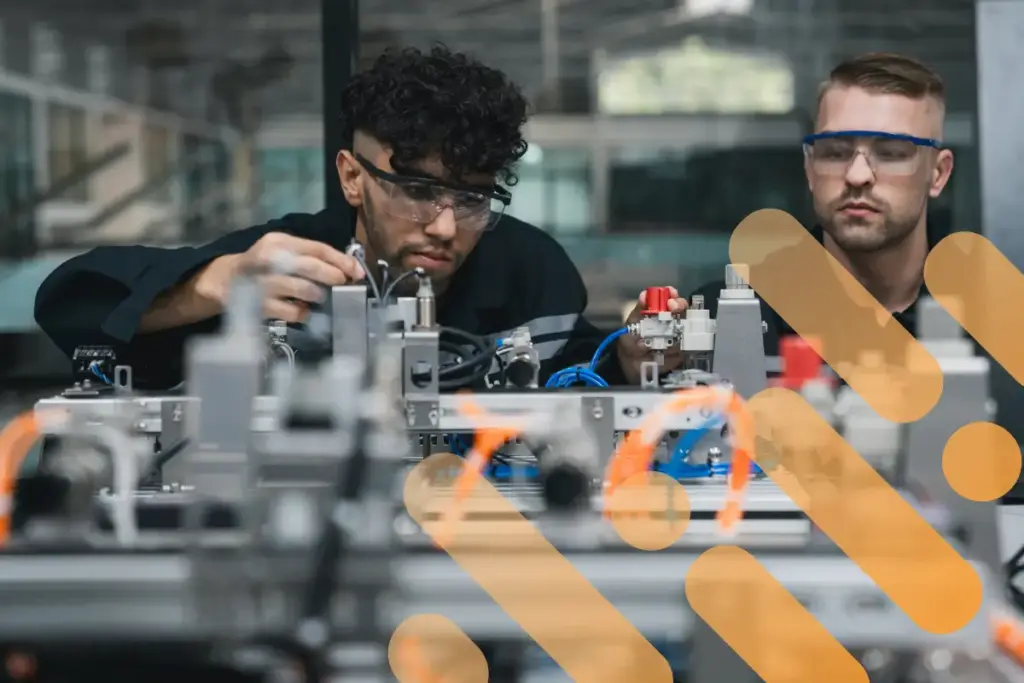
Mechatronics engineering is a field that combines mechanical engineering, electrical engineering, computer science, and control systems to design and improve automated machines and intelligent equipment.
These engineers develop a wide variety of things, ranging from robots for manufacturing to smart home devices. They work at the intersection of traditional mechanical systems, modern electronics, and software. These engineers emerged as a discipline because industries needed engineers who could control complex systems requiring knowledge from multiple disciplines.
Rather than focusing on just one part of a machine, mechatronics engineers look at how all the components work together. One example of mechtronics engineering is a robotic arm used in automotive manufacturing. Its mechanical parts allow it to move, electronic sensors detect its position, and software tells it when and where to move. Mechatronics engineering connects these technologies into one functioning system, which is essential for industries that rely on automation and robotics.
What Does a Mechatronics Engineer Do?
Mechatronics engineers design, develop, test, and improve systems that combine mechanical equipment with electronics and computer controls. Their day-to-day work depends on the employer and industry. Some spend their time designing new products, while others work in manufacturing facilities improving existing equipment.
According to O*NET’s occupational profile for mechatronics engineers, common responsibilities include:
- Designing automated equipment: Creating machines and systems that perform repetitive or complex tasks with limited human intervention.
- Developing control systems: Programming the electronics and software that control how machines operate.
- Building and testing prototypes: Evaluating new designs before they’re used in production.
- Troubleshooting equipment: Identifying whether problems originate in mechanical components, sensors, wiring, or software.
- Improving manufacturing processes: Finding ways to make equipment more reliable, efficient, and accurate.
- Working with other engineers: Collaborating with mechanical, electrical, and software engineering teams to develop integrated systems.
- Documentation: Engineers must compile in-depth reports on projects and provide information to stakeholders. They also create user guides and technical specifications for the systems they develop.
For example, a mechatronics engineer at a food manufacturing facility might improve a packaging line that frequently stops due to sensor errors. The work could involve analyzing sensor data, modifying machine controls, and adjusting mechanical components to reduce downtime.
What is Mechatronics Engineering Technology?
Mechatronics engineers use a combination of mechanical, electrical, and computer technologies to design, automate, and improve machines. Some of the most common technologies used in mechatronics engineering include:
- Programmable logic controllers (PLCs): Industrial computers that control automated machinery and manufacturing processes.
- Robotics: Robotic arms, autonomous machines, and other systems that perform tasks automatically or with limited human input.
- Sensors and actuators: Devices that detect conditions such as temperature, pressure, position, or movement and trigger a physical response.
- Computer-aided design (CAD): Software such as SolidWorks and AutoCAD used to design mechanical components and equipment.
- Control systems: Technologies that monitor and adjust how machines operate, including motion control and feedback systems.
- Embedded systems: Microcontrollers and specialized computers built into equipment to control specific functions.
- Industrial Internet of Things (IIoT): Connected sensors and machines that collect and share data to monitor equipment performance and support predictive maintenance.
- Programming and simulation software: Tools such as Python, C++, MATLAB, and Simulink used to develop, test, and optimize automated systems.
Mechatronics engineers often use several of these technologies together. For example, an engineer developing an automated packaging line might use CAD software to design components, sensors to detect products, PLCs to coordinate machine movements, and monitoring software to identify production problems.
The specific technologies vary by industry, but the goal is the same: make mechanical and electronic systems work together safely, reliably, and efficiently.
Industries That Hire Mechatronics Engineers
Mechatronics engineers are employed in various industries. The car industry employs numerous mechatronics professionals to create advanced car systems while manufacturing industries hire mechatronics engineers to perform automation and robotics functions.
Aerospace organizations rely on mechatronics engineers for space technology and aircraft systems. They also work for companies in the healthcare industry to design medical devices and robotic surgery systems. Consumer electronics companies need them for home automation systems, as well as for smart devices.
Companies that specialize in research and development also employ mechatronics engineers. Others act as independent consultants, helping various companies on a project basis. The robotics industry is also a big recruiter, as it needs mechatronics engineers to design intelligent machines.
What Careers are Available in Mechatronics?
A degree in mechatronics can prepare you for several career paths. Not every position has “mechatronics” in the job title, so it’s worth looking beyond that specific term when exploring opportunities.
Some common careers for mechatronics graduates include:
| Career | What the role involves |
|---|---|
| Mechatronics engineer | Designs and improves systems combining mechanical, electrical, and software components |
| Automation engineer | Develops automated systems for manufacturing and industrial processes |
| Robotics engineer | Designs, develops, and tests robotic equipment and applications |
| Controls engineer | Develops the systems and software that regulate automated machinery |
| Manufacturing engineer | Improves production processes, equipment efficiency, and product quality |
| Systems integration engineer | Connects different machines, technologies, and control systems |
| Mechatronics technician | Installs, operates, tests, and maintains automated equipment |
Job seekers should also search for related titles such as PLC engineer, controls specialist, automation technician, and equipment engineer. Another similar career worth considering is mechatronics technician.
What is a Mechatronics Technician?
A mechatronics technician is a skilled technical professional who installs, operates, tests, maintains, and repairs equipment that combines mechanical, electrical, and computer-controlled systems. Technicians often work directly with automated equipment in manufacturing plants, research facilities, and other industrial environments.
For example, if an automated production machine stops working, a mechatronics technician might inspect the sensors, test electrical connections, troubleshoot the PLC, and replace faulty components.
What Is the Difference Between a Mechatronics Engineer and a Mechatronics Technician?
The biggest difference between a mechatronics engineer and technician is generally the type of work each professional performs. Mechatronics engineers typically focus on designing, developing, and improving systems. Mechatronics technicians are more likely to install, operate, troubleshoot, and maintain those systems.
Education requirements also differ. Engineers generally need a bachelor’s degree, while many technician positions are accessible with an associate degree or technical certificate. However, the responsibilities can overlap, particularly in smaller manufacturing organizations where engineering and technical teams work closely together.
According to the U.S. Bureau of Labor Statistics, electro-mechanical and mechatronics technicians typically enter the profession with an associate degree or postsecondary certificate.
Education Requirements
Most mechatronics engineers need a bachelor’s degree in mechatronics engineering or a closely related field. According to educational statistics, 66% of mechatronics engineers hold a bachelor’s degree.
Students can also pursue computer, electrical, or mechanical engineering technology. The classes generally consist of mathematics, computer science, physics, and fundamentals in engineering. Students learn mechanical systems, electronics, programming, and control systems.
Some professions demand a master’s degree, especially for careers in specializations or in industry-research careers. Advanced degrees help engineers specialize in arenas like robotics, artificial intelligence, or automation systems. Graduate studies commonly consist of projects that provide hands-on experience.
Professional licensure is not mandatory, but it may benefit career advancement. Candidates for Professional Engineer licensure must pass the Fundamentals of Engineering exam and acquire professional experience before they sit for the Professional Engineering exam.
Essential Skills for Success
Mechatronics engineers need a combination of mechanical, electrical, and software knowledge.
Important skills include:
- Computer-aided design (CAD)
- Robotics and automation
- PLC programming
- Electrical circuits and sensors
- Control systems
- Mechanical design
- Programming languages such as Python, C, and C++
- System testing and troubleshooting
Proficiency in using design software is a must. The engineers use software like AutoCAD, SolidWorks, and MATLAB for design and system simulation. They also need to be familiar with control systems and automation technologies.
Troubleshooting is another important skill because mechatronics engineers must identify and repair complex problems spanning multiple system components. They must comprehend the interaction among mechanical, electrical, and software components.
Communication skills help engineers present technical data to non-technical individuals and work effectively in teams. Project management skills are helpful when leading development projects or working with other departments.
Mechatronics Career Path and Experience Requirements
Most entry-level mechatronics engineers begin with 1-2 years of experience, gained either as interns or through a co-op program. Data from career advancement shows that candidates with over 3 years of experience generally possess mechatronics systems, robotics, and automation capabilities.
New graduates typically begin working as junior engineers or technicians. They assist with system designs, troubleshooting, and basic automation tasks. As they gain experience, they take on progressively more challenging projects and may specialize in a specific area.
Senior engineers usually head projects and teams with experience levels of 5+ years. They can be involved in product development, system integration, or creating complex mechatronic systems. Senior engineers usually transition towards a managerial position or a role that involves heading a team.
A career in mechatronics demands continuous learning. The job is ever-evolving with technological advancements, and engineers must stay abreast of changes in automation, robotics, and control systems.
How Much Do Mechatronics Engineers Make?
Salaries for mechatronics engineers compare well with those in similar careers and vary with experience and region. The average annual wage for 2025 is $101,973, ranging from $56,583 to $183,774.
Entry-level engineers with 0-2 years of experience typically earn $56,583 annually. Mid-level engineers with 3-5 years of experience can expect $101,973 annually. Senior engineers with 6+ years of experience usually earn $139,031 or greater.
Location plays a massive role in determining salary rates. Engineers in tech-crazed cities such as San Francisco, New York, and Austin generally have above-average salaries. The industry makes a difference, with aerospace, automotive, and robotics firms usually paying more.
Several other factors affect earnings. Engineers with specialized knowledge in AI, robotics, or the field of embedded systems command higher pay. Professional certifications and higher degrees also increase earning power.
Is Mechatronics in High Demand?
Future career prospects for mechatronics engineers appear brighter. Industry predictions indicate that demand for these experts is expected to increase as industries utilize more automation and robots. However, demand varies by occupation, location, and the technologies an employer uses.
According to the Bureau of Labor Statistics, employment for electro-mechanical and mechatronics technologists and technicians is projected to grow 3% from 2025 to 2035, about as fast as the average for all occupations. Approximately 1,400 openings are projected annually over that period. These projections apply specifically to technicians and technologists, not all mechatronics engineering careers.
Demand is primarily fueled by manufacturing automation. Businesses wish to be efficient and save costs by applying automated systems. The trend towards autonomous and electric vehicles in the auto industry also presents opportunities for mechatronics engineers. Another expanding sector is healthcare technology. Robots for surgery, prosthetics, and hospital equipment all rely on mechatronics. Smart household appliances and Internet of Things devices also need engineers who can integrate mechanical and electronic systems.
Mechatronics engineers enjoy international prospects. Robotics manufacturing sectors in nations such as Germany, Japan, and South Korea. Industry 4.0 and smart manufacturing have ushered in global demand for such engineers.
Automation creates opportunities for professionals who can develop and maintain complex systems, but it can also change or eliminate certain tasks. As a result, career opportunities are not evenly distributed across all mechatronics-related positions.
Is Mechatronics Engineering the Same as Robotics Engineering?
Not exactly. Robotics engineering focuses specifically on designing, building, and operating robots. Mechatronics engineering is broader and includes many types of automated systems, including robotics, manufacturing equipment, smart devices, and industrial controls. Robotics is one potential specialization within mechatronics.
Professional Development and Certifications
Many different certifications can enhance a mechatronics engineer’s professional opportunities. The International Society of Automation offers the Certified Automation Professional, which ensures competency in control and automation systems. The Certified Robotics System Architect is a robotic system integration certification.
Professional organizations offer opportunities for development and networking. The American Society of Mechanical Engineers includes professionals interested in mechatronics and automation, and the Institute of Electrical and Electronics Engineers includes areas related to mechatronics engineering.
Continuing education ensures that engineers stay current with technology. They engage in seminars, workshops, and meetings to update themselves with recent developments. Online learning and certification classes offer flexible learning opportunities for practicing engineers.
One must stay current with the latest technological advancements. Integrating the Internet of Things, machine learning, and artificial intelligence technologies in mechatronic systems requires continuous learning and skill development.
Getting Started in Mechatronics
Prospective mechatronics majors need to pursue solid backgrounds in mathematics and the sciences. Advanced computer science, physics, and calculus levels provide a solid foundation. Working in robotics clubs or engineering competitions is also beneficial.
Co-op and internship experiences offer excellent practical experience. They enable students to use classroom learning on actual projects and acquire professional connections. There are internships offered by a variety of companies for those studying engineering.
Having a portfolio of projects demonstrates real-world capability to potential future employers. Students may pursue personal robotics projects, contests, or open-source automation projects. This also shows initiative and practical problem-solving capability.
Engineering networking aids career development. Professional organizations, industry contacts, and attendance at engineering conferences can bring career opportunities and mentorship connections.
Your Path Forward in Mechatronics
Mechatronics engineering is a rewarding and challenging profession that combines several engineering disciplines. The field has the potential to address innovative technology that changes the way we live and work. With good career prospects and competitive salaries, mechatronics presents a realistic career choice.
Success in this field requires a dedication to continued learning and skill development. The field evolves rapidly, and engineers must stay abreast of new technologies and methodologies. Those who embrace this challenge will have rewarding careers creating the automated systems of tomorrow.
If you’re ready to begin a career as a mechatronics engineer, Hunter Recruiting can introduce you to top employers in the industry. Our experienced recruiting team knows the unique requirements for mechatronics positions and can match your skills with the ideal opportunities. Visit our job board to see current opportunities or submit your resume, and we will be in touch when a role that suits you opens up!
If you are an employer looking to hire a mechatronics engineer, contact us and we will be in touch within 1 business day to get to know your company’s needs and help you strengthen your engineering team.