





Why Allied Health Staffing Deserves More Attention

Healthcare staffing conversations tend to orbit around the same two stars: physicians and nurses. And fair enough, both groups are critical.
But there’s a massive workforce category that keeps hospitals, clinics, and rehab centers running, and it rarely gets the spotlight it deserves.
Allied health professionals: respiratory therapists, medical technologists, radiologic technicians, physical therapists, speech-language pathologists, and dozens of other specialists: account for roughly 60% of the U.S. healthcare workforce, according to the Association of Schools Advancing Health Professions.
Yet when health systems scramble to fill gaps, allied health staffing often gets treated as an afterthought.
That’s a mistake, and one that’s getting more expensive to ignore every year.
The Bureau of Labor Statistics projects that many allied health occupations will grow 15–20% faster than the national average through 2032, and we’re already feeling the squeeze in 2026.
Understanding why allied health staffing deserves more attention isn’t just an HR exercise: it’s a patient safety issue, a financial issue, and a strategic imperative for any facility that wants to stay competitive.
Throughout my experience in healthcare staffing, I’ve seen firsthand how critical allied health professionals are to patient care and healthcare operations. These specialized roles require a deep understanding of each discipline and a strategic approach to connecting organizations with the right talent. As demand continues to grow, investing in allied health staffing solutions will be essential to building stronger, more resilient healthcare teams.
-Jim Patton, Vice President
The Growing Importance of Allied Health Professionals in Modern Care
The shift toward value-based care models has made allied health professionals more essential than ever.
Hospitals are no longer evaluated solely on surgical outcomes or bed occupancy rates.
Payers and regulators now look at 30-day readmission rates, patient satisfaction scores, and long-term functional recovery, all areas where allied health workers directly move the needle.
A hospital can have the best surgeons in the region, but if there aren’t enough physical therapists to get post-op patients mobile or enough respiratory therapists to manage ventilator weaning protocols, outcomes suffer and reimbursement drops.
Defining the Scope of Allied Health Staffing Solutions
Allied health is an umbrella term covering more than 80 distinct professions. These range from clinical laboratory scientists running complex diagnostic panels to occupational therapists helping stroke survivors regain independence. Staffing solutions in this space need to account for wildly different credentialing requirements, scope-of-practice regulations that vary state by state, and subspecialty certifications that can take years to earn.
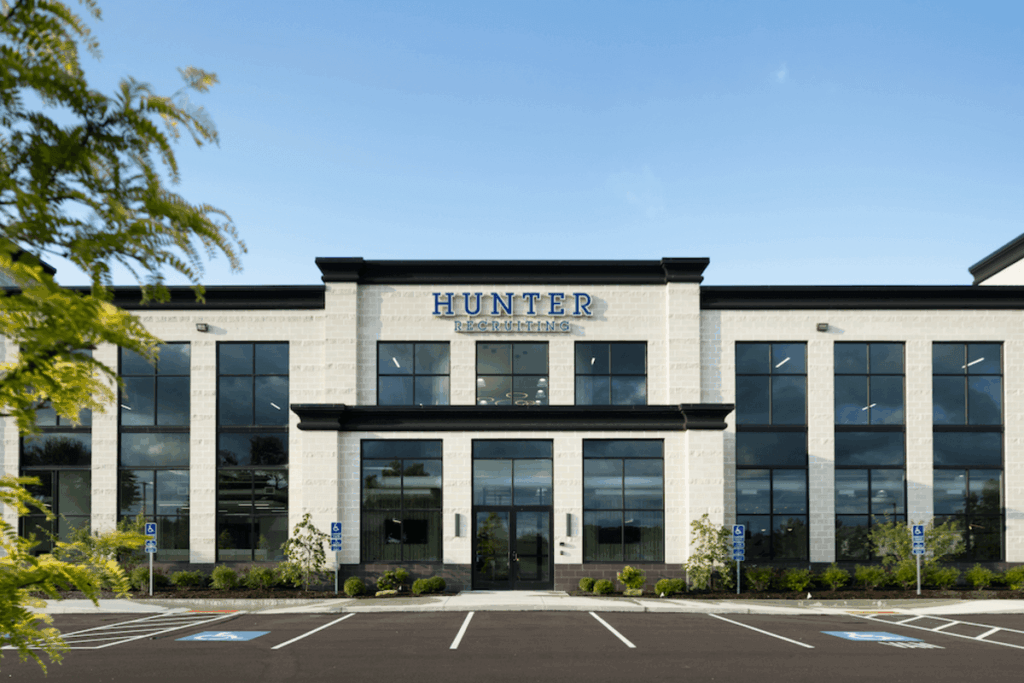
This complexity is exactly why generic staffing approaches fall flat. A recruiter who fills nursing positions all day may not understand the difference between a Registered Respiratory Therapist and a Certified Respiratory Therapist, or why a facility needs a sonographer credentialed in vascular rather than general imaging. Firms like Hunter Recruiting, which specialize in matching technical and clinical talent to hard-to-fill roles, tend to understand these distinctions because they live in the details of credentialing and specialization daily.
Impact on Patient Outcomes and Operational Efficiency
The data here is striking. A 2024 study published in the Journal of Allied Health found that hospitals with fully staffed rehabilitation departments saw 18% fewer 30-day readmissions for hip and knee replacement patients compared to facilities running short. Lab staffing shortages, meanwhile, have been linked to longer turnaround times on critical test results, which directly delays diagnosis and treatment decisions.
Operational efficiency takes a hit too. When a radiology department can’t staff its MRI suite for evening shifts, patients wait longer, schedules back up, and referring physicians start sending cases to competing facilities. The financial cost of one unstaffed imaging shift can easily exceed $10,000 in lost revenue, and that’s before accounting for the downstream effects on patient satisfaction scores.
What Role do Allied Health Programs Play in Hospital Staffing
Hospitals have traditionally relied on a patchwork approach: full-time hires supplemented by per diem workers and the occasional traveler. But allied health programs, whether internal pipelines or partnerships with staffing agencies, are becoming a strategic function rather than a reactive scramble. The best-run health systems treat allied health workforce planning with the same rigor they apply to physician recruitment.
Bridging the Gap Between Nursing and Specialized Diagnostics
There’s a critical operational layer between bedside nursing and physician-led diagnostics that allied health professionals occupy. Respiratory therapists manage airway interventions that nurses aren’t trained to perform. Clinical laboratory scientists run the tests that inform every major treatment decision. Surgical technologists keep operating rooms moving efficiently.
When this middle layer is understaffed, the pressure doesn’t just disappear: it redistributes. Nurses end up performing tasks outside their primary training, physicians wait longer for results, and patient throughput slows. A 2025 survey by the American Society for Clinical Laboratory Science found that 73% of lab directors reported staff vacancies were directly causing test result delays. That’s not a staffing inconvenience: it’s a clinical risk.
Supporting Rehabilitation and Long-term Recovery Teams
Post-acute care is where allied health staffing gaps become most visible to patients. Physical therapists, occupational therapists, and speech-language pathologists are the backbone of recovery after stroke, joint replacement, cardiac events, and traumatic injuries. Medicare’s new quality metrics tie reimbursement directly to functional improvement scores, which means understaffed rehab departments don’t just slow recovery: they cost facilities money.
The challenge is that these professionals are in high demand across multiple settings. Acute care hospitals, outpatient clinics, skilled nursing facilities, home health agencies, and school districts all compete for the same pool of therapists. A health system that doesn’t have a proactive staffing strategy for rehabilitation roles will consistently lose talent to competitors offering better schedules, pay, or work-life balance.
Solutions for Managing Nationwide Nursing and Allied Health Staffing Shortages
The shortage isn’t coming: it’s here. The American Hospital Association estimates that the U.S. will face a shortfall of more than 100,000 allied health workers by 2028 if current trends continue. Solving this requires more than posting job ads and hoping for the best. It demands a multi-pronged strategy that combines technology, international recruitment, and retention-focused workplace improvements.
Leveraging Technology for Predictive Workforce Planning
Predictive analytics tools can now forecast staffing needs 6-12 months out based on patient volume trends, seasonal patterns, and historical turnover data. Health systems using these tools report 20-30% reductions in last-minute agency spending because they can identify gaps before they become emergencies.
AI-powered scheduling platforms are also reducing administrative burden on allied health managers. Instead of spending hours each week building schedules manually, department leads can use automated systems that account for credentialing requirements, overtime limits, and employee preferences. This matters because administrative overload is one of the top reasons allied health professionals cite for leaving their positions. Stripping away non-clinical busywork lets these professionals focus on what they trained to do: patient care.
How Staffing Agencies Support International Allied Health Placements
International recruitment has become a legitimate pipeline for allied health talent, particularly for laboratory scientists and physical therapists. The Philippines, India, and several Caribbean nations produce well-trained allied health graduates who are eager to practice in the U.S.
The process is complex, though. Visa sponsorship, credential evaluation, state licensure, and cultural onboarding all require specialized expertise. This is where experienced staffing partners earn their value. Hunter Recruiting, for example, has built global sourcing networks specifically designed to identify passive candidates: professionals who aren’t actively job-hunting but are open to the right opportunity. That approach matters in allied health because the best candidates are usually already employed and won’t surface through standard job boards.
Facilities considering international placements should budget 12-18 months for the full pipeline, from initial sourcing through onboarding. It’s not a quick fix, but it’s a sustainable one when managed well.
Tips for Choosing Reliable Allied Health Staffing Partners
Not all staffing agencies are created equal, and the wrong partner can create more problems than they solve. I’ve seen facilities burn through three or four agencies before finding one that actually understands allied health. Here’s what separates the good ones from the mediocre.
Verify Credentialing Standards and Compliance Rigor
This is non-negotiable. Your staffing partner should maintain primary source verification for every credential, not just a photocopy of a license. Ask specifically about their process for:
- State licensure verification and expiration tracking
- Background checks (criminal, OIG exclusion list, sex offender registry)
- Competency testing for specific modalities or equipment
- Continuing education compliance monitoring
If an agency can’t walk you through their credentialing process in detail, that’s a red flag. Joint Commission and CMS surveyors will hold your facility accountable for contracted staff credentials, not the agency.
Assess Specialization in Specific Allied Disciplines
A staffing firm that primarily places nurses and “also does allied health” is very different from one that has dedicated recruiters for laboratory, imaging, respiratory, and rehabilitation roles. Ask how many allied health placements the agency made in the past 12 months, and in which disciplines. Request references from facilities similar to yours in size and specialty mix.
The best agencies have recruiters who understand the clinical workflow of the departments they staff. They know that a CLIA-certified high-complexity lab needs generalists who can rotate through chemistry, hematology, and microbiology, not just someone with a medical technologist credential.
Evaluate Support Infrastructure for Contracted Clinicians
Retention of contracted allied health workers depends heavily on their experience during assignments. Ask potential partners about their support systems:
- Do they assign a dedicated point of contact for each clinician?
- How do they handle housing, travel, and licensure reimbursement for travelers?
- What’s their process for resolving workplace conflicts or clinical concerns?
- Do they offer professional development or CEU stipends?
Agencies that invest in clinician satisfaction tend to attract stronger candidates and maintain lower turnover on assignments. That stability translates directly into better outcomes for your patients and less disruption for your permanent staff.
Future-Proofing Healthcare Facilities Through Diverse Staffing Models
The facilities that will thrive over the next decade are the ones building flexible, diversified workforce models right now. That means blending full-time employees with per diem staff, travel professionals, and internationally recruited clinicians: not as a stopgap, but as a deliberate strategy.
It also means treating retention as seriously as recruitment. The “leaky bucket” problem in allied health is real: facilities pour resources into hiring while ignoring the workplace conditions that drive turnover. Competitive pay matters, but so do manageable workloads, functional equipment, respectful interdisciplinary relationships, and genuine career advancement pathways. A 2025 ASRT survey found that 41% of radiologic technologists who left their positions cited burnout and lack of growth opportunities, not compensation, as their primary reason.
Rural facilities face an especially steep challenge. Many allied health professionals gravitate toward urban centers with more career options and higher pay. Creative solutions like loan repayment programs, remote mentorship networks, and rotational assignments between rural and urban sites within the same health system can help close this gap.
The bottom line is straightforward: allied health staffing deserves the same strategic attention that physician and nursing recruitment have received for years. These professionals are not supporting cast. They are essential to every diagnostic decision, every treatment plan, and every patient recovery story.
If you’re an allied health professional looking for your next opportunity, or a facility that needs help building a stronger clinical team, Hunter Recruiting connects talent with meaningful roles across healthcare, science, and technology. Their team specializes in sourcing professionals for hard-to-fill positions with employers who value clinical expertise. Find your next healthcare job and see what’s available.